



Comprehensive Clostridium Difficile Diagnosis, Treatment, and Prevention
Services available in:
English
Spanish
Haitian Creole
French
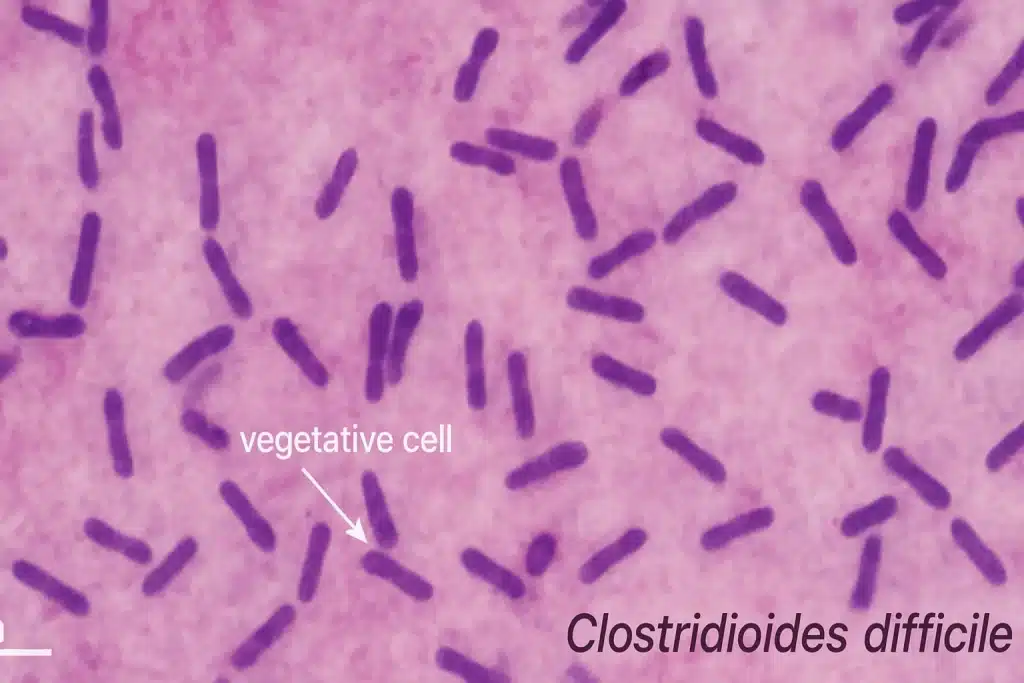
Clostridium difficile, commonly known as C. diff, is a bacterial infection that causes severe inflammation of the colon (colitis). This opportunistic infection typically occurs when the normal gut bacteria are disrupted, often after antibiotic use, allowing C. diff bacteria to multiply and produce toxins that damage the intestinal lining.[CDC C. diff Information]
C. diff is responsible for approximately 29,000 deaths annually in the United States and affects over 223,000 people each year. The infection ranges from mild diarrhea to life-threatening colitis, making prompt diagnosis and expert treatment essential for optimal outcomes.
If you’re experiencing persistent diarrhea, severe abdominal pain, or have been diagnosed with C. diff infection, you need specialized care from an experienced infectious disease physician. C. diff infections can be serious and require expert management to prevent complications and recurrence.
Atlas Infectious Disease Practice, led by Dr. Joseph Etienne MD FACP, provides comprehensive C. diff diagnosis, treatment, and prevention services throughout South Florida. Our practice specializes in infectious disease management, making us uniquely qualified to handle complex C. diff cases with the latest evidence-based treatments.
Dr. Etienne’s expertise in infectious diseases ensures you receive the most current and effective treatments available, from initial diagnosis through complete recovery and prevention of future episodes.
We serve patients throughout Boca Raton, West Palm Beach, Boynton Beach, Lantana, Wellington, Delray Beach, and surrounding Palm Beach County communities with convenient location and multilingual staff support.
Watery diarrhea (3 or more loose stools per day for 2+ days), mild to moderate abdominal cramping, low-grade fever, and nausea. These symptoms often develop during or shortly after antibiotic use.
Increased frequency of diarrhea (5-10 times per day), severe abdominal pain and cramping, fever above 101°F (38.3°C), dehydration, loss of appetite, and fatigue.
Blood in stool, severe abdominal distension, high fever (>103°F/39.4°C), severe dehydration, rapid heart rate, white blood cell count >15,000, or signs of sepsis. Seek immediate medical attention.
Return of symptoms within 8 weeks of completing treatment. Recurrence occurs in 20-25% of patients and requires specialized treatment approaches to break the cycle.
Primary diagnostic method using fresh stool specimens to detect C. diff toxins
Polymerase chain reaction testing for C. diff toxin genes (most sensitive method)
Enzyme immunoassays (EIA) to detect toxins A and B produced by C. diff bacteria
Glutamate dehydrogenase testing as a screening method for C. diff presence
CT scan may be ordered in severe cases to assess for complications like toxic megacolon
Complete blood count, comprehensive metabolic panel to assess severity and complications
Oral vancomycin and fidaxomicin are the preferred treatments for C. diff infections. Treatment duration typically ranges from 10-14 days, with medication choice based on infection severity and recurrence risk.
For recurrent C. diff infections, we utilize extended antibiotic courses, tapered/pulsed dosing regimens, and combination therapies to break the recurrence cycle and restore gut microbiome balance.
Probiotics and prebiotics may be recommended to help restore healthy gut bacteria. In severe recurrent cases, fecal microbiota transplantation (FMT) may be considered.
Fluid and electrolyte replacement, nutritional support, and careful monitoring for complications. Severe cases may require hospitalization for intravenous therapy.
For fulminant colitis or toxic megacolon, aggressive treatment including intravenous vancomycin, surgical consultation, and intensive care management may be necessary.
Each treatment plan is tailored to the patient's specific situation, medical history, severity of infection, and risk factors for recurrence.
Key prevention measures:
C. diff spores can survive on surfaces for months, making environmental cleaning crucial for prevention.
Effective Cleaning: Use bleach-based disinfectants (1:10 dilution) on all surfaces. Alcohol-based cleaners are not effective against C. diff spores.
Healthcare Settings: Follow contact precautions, use dedicated equipment, and ensure proper isolation procedures for infected patients.
Home Care: Thoroughly clean bathrooms, frequently touched surfaces, and laundry with appropriate disinfectants when caring for someone with C. diff.
Dr. Joseph Etienne MD FACP has extensive experience in diagnosing and treating C. diff infections, including complex and recurrent cases.
State-of-the-art laboratory testing including PCR, toxin detection, and rapid diagnostic methods for accurate and timely diagnosis.
We follow the latest clinical guidelines and research to provide the most effective treatment options for each patient's specific situation.
Our staff speaks English, Spanish, Haitian Creole, and French, ensuring clear communication about your treatment and care instructions.
We understand that C. diff infections require urgent attention. We prioritize rapid diagnosis and immediate treatment initiation.
Ongoing monitoring, recurrence prevention strategies, and long-term support to ensure complete recovery and prevent future infections.
The main symptoms include watery diarrhea (3 or more times per day for 2+ days), severe abdominal cramping and pain, fever, nausea, loss of appetite, and dehydration. In severe cases, you may experience bloody diarrhea, severe abdominal distension, and signs of toxic megacolon requiring immediate medical attention.
C. diff is diagnosed through stool testing, including toxin enzyme immunoassays (EIA), PCR testing for C. diff toxin genes, and glutamate dehydrogenase (GDH) antigen testing. We use the most current testing methods to ensure accurate diagnosis, typically with results available within 24-48 hours.
Treatment options include oral vancomycin, fidaxomicin, and in some cases, metronidazole. For recurrent infections, we may recommend extended antibiotic courses, probiotics, or in severe cases, fecal microbiota transplantation (FMT). Treatment choice depends on infection severity and recurrence history.
Prevention includes proper hand hygiene with soap and water (alcohol-based sanitizers are less effective against C. diff spores), responsible antibiotic use, isolation precautions for infected patients, and thorough cleaning of surfaces with bleach-based disinfectants.
C. diff infections are primarily caused by disruption of normal gut bacteria, most commonly after antibiotic use. Other risk factors include advanced age (65+), hospitalization, chronic kidney disease, immunosuppression, proton pump inhibitor use, and previous C. diff infection.
Yes, C. diff is contagious and spreads through spores that can survive on surfaces for months. Transmission occurs through the fecal-oral route, emphasizing the importance of proper hand hygiene and environmental cleaning. Infected individuals should follow isolation precautions until symptoms resolve.
“Dr. Etienne saved my life. I had recurring C. diff that no one could control. His specialized treatment plan finally broke the cycle, and I’ve been infection-free for over a year now. His expertise in infectious diseases is unmatched.”
– Robert M., Boca Raton
“After months of suffering with C. diff complications, Dr. Etienne’s comprehensive approach and personalized treatment plan helped me recover completely. The staff was incredibly supportive throughout my treatment journey.”
– Maria S., West Palm Beach
“The quick diagnosis and immediate treatment Dr. Etienne provided prevented my C. diff from becoming severe. His knowledge of the latest treatments and prevention strategies gave me confidence in my care.”
– James L., Boynton Beach
Don’t let C. diff infection disrupt your life. Get specialized care from South Florida’s leading infectious disease expert with comprehensive treatment and prevention strategies.