



On October 26, the São Paulo State Health Secretariat (SES-SP) issued an alert regarding the high fatality rate of hantavirus infection in the state. This disease, caused by a hantavirus, is transmitted by wild rodents and can lead to heart and respiratory failure.
As of September 2026, four cases of this rare disease have been confirmed in the region. One of these cases resulted in death.
Since 2007, São Paulo has recorded 199 cases of hantavirus infection, 101 of which were fatal. This represents a fatality rate of 50.8%. Across Brazil, the average fatality rate for this disease is 46.5%.
Hantavirus: An interview with Dr Paul Ettestad
Given the severity of the disease, the SES-SP emphasized the importance of early identification of suspected cases and the immediate initiation of an epidemiological investigation.
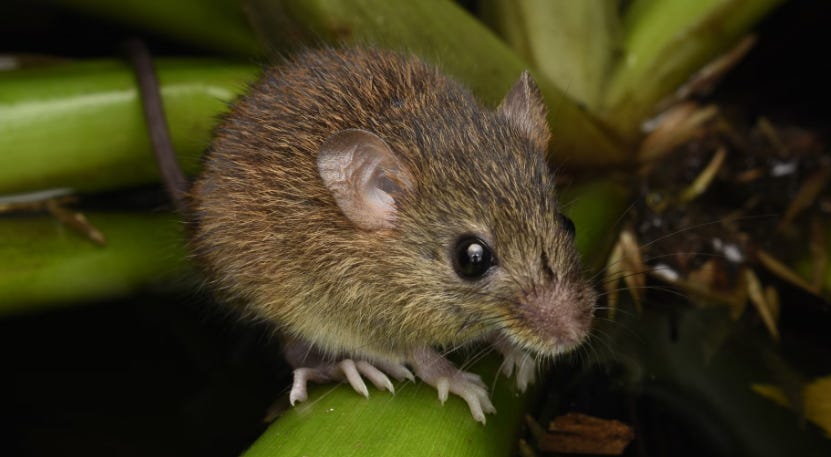
In Brazil, the primary species capable of carrying this pathogen include the rice rat (genus Oligoryzomys) and rodents of the genus Necromys, such as the Necromys lasiurus (a type of field mouse found in the Cerrado).
Hantavirus infections are rare globally; however, they are significant because the disease is typically severe. In Brazil, the majority of infected patients require hospital care.
Between 1993 and March 2026, the country recorded approximately 2,400 cases of hantavirus infection, about 960 of which were fatal. The highest number of cases was recorded between 2004 and 2011, with annual figures ranging from 116 to 182 notifications. During that period, there were years in which the mortality rate reached 53%. The year with the highest number of fatal cases was 1999, when 14 people fell ill and 12 died, representing a case fatality rate of 85%.
Although the disease has been recorded in all regions of Brazil, the South, Southeast, and Central-West regions account for the largest percentage of confirmed cases.
Andes virus: Outbreak linked to a super-spreader event in Argentina
Of the country’s 27 federal units, 16 have documented cases of hantavirus cardiopulmonary syndrome: Pará, Rondônia, Amazonas, Bahia, São Paulo, Minas Gerais, Rio de Janeiro, Rio Grande do Sul, Paraná, Santa Catarina, Mato Grosso, Maranhão, Rio Grande do Norte, Goiás, the Federal District, and Mato Grosso do Sul.
Cases typically occur in rural areas, often in work environments related to agriculture, with men between the ages of 20 and 39 being the most affected group.
Most cases are linked to activities such as deforestation and land cultivation, direct contact with rodents, and the cleaning of sheds.