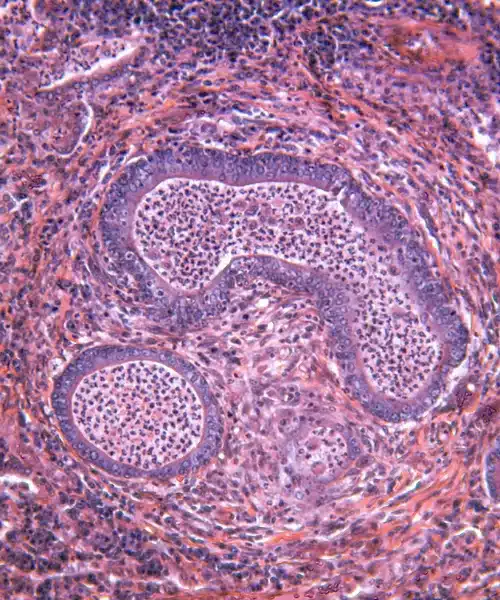
A skin abscess might sound complicated, but it’s essentially a pocket of pus that forms under the skin. Think of it as the body’s way of containing an infection—creating a barrier around bacteria to prevent it from spreading further.
These painful bumps typically appear red, warm to the touch, and may have a white or yellow center. They can show up anywhere on the body but are common in areas where there’s friction or moisture—like underarms, groin, or buttocks.
The main culprits?
Bacteria such as Staphylococcus aureus (or “staph” for short), Methicillin-resistant Staph aureus (or MRSA for short) which can live harmlessly on the skin until it finds an entry point through a tiny cut, hair follicle, trauma, skin disorders, or animal bites.
Spotting the Signs
How to know if that bump is an abscess and not just a pimple? Look for these telltale signs:
Pain & Swelling
Painful, swollen red area that is typically warm to the touch
Growing Size
Increasing size over several days with possible "head" that may look white or yellow
Systemic Symptoms
Possible fever or fatigue if the infection is spreading beyond the abscess
Treatment: What to Know
Incision and Drainage (I&D)
The main treatment for an abscess is a procedure called “incision and drainage” (I&D). While that might sound scary, it’s actually quite simple:
A healthcare provider makes a small cut in the abscess
The pus is drained out
The area is cleaned and sometimes packed with gauze
Benefits:
Provides immediate relief from pain
Allows for faster healing
Is often the only treatment needed
Antibiotics
Most small abscesses heal quickly after drainage, though some might require antibiotics—especially if:
There’s fever or general unwellness
The abscess is large or there are multiple abscesses
Other health conditions affect the immune system
Important Note:
Always complete the full course of antibiotics as prescribed, even if symptoms improve quickly.
Potential Complications
If left untreated, skin abscesses can lead to serious complications including cellulitis (infection spreading to surrounding tissues), bloodstream infections (sepsis), or even organ damage in severe cases. People with diabetes or compromised immune systems face higher risks of complications and should seek medical attention promptly.
Never attempt to drain or pop an abscess at home, as this can spread the infection and worsen complications.
Prevention Tips
Living in close quarters? Here’s how to stay protected:
Keep Clean
Shower regularly, especially after workouts or sweating
Wash Hands
Frequent handwashing is the best defense against spreading bacteria
Cover Cuts
Keep any cuts or scrapes clean and covered until healed
Don't Share
Avoid sharing towels, razors, or other personal items
Launder Regularly
Wash sheets and towels in hot water weekly
For Recurrent Cases
Consider decolonization treatments as recommended by your doctor
When to Seek Help
An abscess is larger than 1 inch across
A fever develops
The redness spreads significantly
The pain is severe
It’s located on the face or near sensitive areas
There’s diabetes or a weakened immune system
The Bottom Line
Skin abscesses can be painful and inconvenient, but with prompt treatment, most heal without complications. Stay healthy, and know when to seek help!
Have Questions?
Our team of infectious disease specialists is here to help you with any concerns about skin abscesses or other infections.