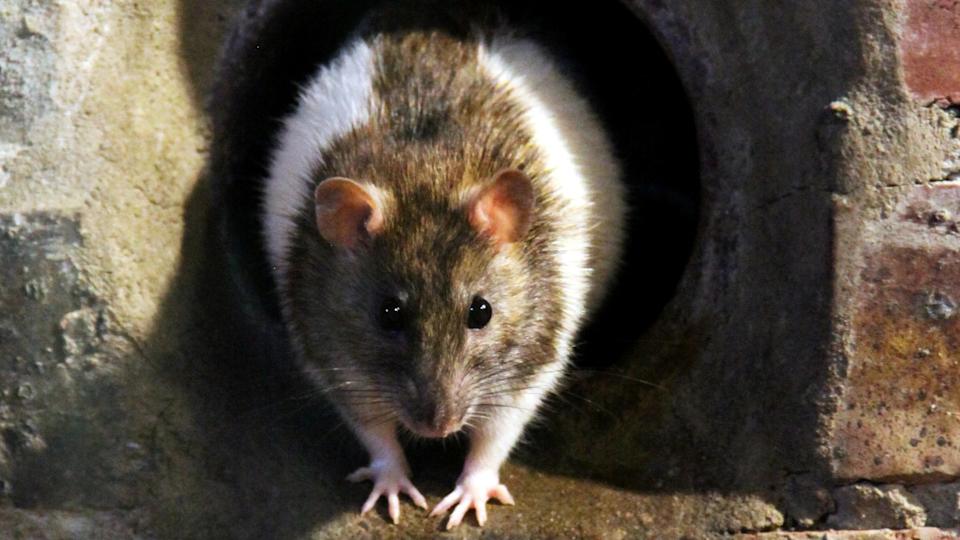
Rodents can spread hantavirus and spark fires in your HVAC if left ignored. Here’s how to protect your home
HVAC rodents
Every spring, Canadian homeowners open their windows, flip on the air conditioning and expect a breath of fresh air. What they may not realize is that something has been living in their ductwork all winter — and the consequences could go well beyond an unexpected repair bill.
HVAC technicians across the country are seeing an uptick in rodent infestations inside heating and cooling systems. Mice, rats and squirrels seek warmth in these units during winter months — and when temperatures rise and the system kicks on, whatever they’ve left behind gets circulated through your home’s air supply.
Don’t Miss
That’s more than just a mechanical problem. Hantavirus — a rare but potentially fatal respiratory illness — is transmitted by airborne particles from infected rodent urine, droppings and nesting materials. And with hantavirus in the news following a high-profile 2026 outbreak that prompted Canada’s Chief Public Health Officer, Dr. Joss Reimer, to issue national guidance (1), public health experts say this is exactly the moment to check your HVAC system before turning it on.
Hiding in an HVAC
HVAC maintenance professionals have seen seasonal surges in rodent-related service calls. “As soon as temperatures climb, so do the number of calls coming in,” noted one Massachusetts-based technician in a widely reported interview (2). In one case, the technician found baby squirrels nesting inside a cooling unit — a discovery that underscores how early and thoroughly wildlife can embed themselves in home climate systems.
“They find shelter in these systems and the wires sometimes are made out of rice resin, so the mice will chew through it,” the technician explained. The results include erratic system behaviour, electrical faults and, in the worst cases, fires.
In Canada, this risk is compounded by the country’s climate. Long, cold winters drive small animals — especially deer mice, the primary carrier of the Sin Nombre hantavirus strain (3) in Canada — indoors. Deer mice have been detected in Sin Nombre virus surveys in every province except Prince Edward Island and Nova Scotia, and in the Yukon Territories, but not the Northwest Territories or Nunavut, making the risk geographically widespread. Hantavirus pulmonary syndrome (HPS) cases in Canada (4) have historically been concentrated in western provinces, with Alberta reporting the highest number.
The Public Health Agency of Canada (PHAC) has confirmed 168 cases of hantavirus infection in Canada since active surveillance began in 1994, with an average of five new cases annually. Peak infections occur in spring and early summer, when deer mouse populations rise and people return to spaces that have been sealed up all winter.
In Canada, hantavirus is transmitted (5) primarily when virus particles from the droppings, urine, saliva or nesting materials of infected rodents are disturbed and become airborne. “If you are doing some spring cleaning, cleaning out your lake cabin here in Canada, we actually do have mice that can transmit hantaviruses (6),” virologist Angela Rasmussen of the University of Saskatchewan told CBC News.
In Canada, the rodents known to carry hantavirus (7) are the deer mouse, the white-footed mouse and the red-backed vole, which are species that tend to live in rural and wooded areas but regularly move indoors in colder months. House mice, roof rats and Norway rats — more common in urban centres — are not known to carry the virus (6).
The World Health Organization (WHO) says (8) the case-fatality rate of Hantavirus Pulmonary Syndrome (HPS) in North America is approximately 30% to 35%, and there is currently no cure. Early detection and accessing medical care as soon as possible are critical. Symptoms typically begin within one to six weeks of exposure and can include fever, muscle aches, headache, nausea and progressive shortness of breath — which can rapidly become severe and life-threatening.
The financial cost of doing nothing
Beyond the health risk, ignoring your HVAC system’s upkeep has a real financial cost — one your home insurance most likely won’t cover.
Canadian homeowners’ insurance policies generally exclude (9) rodent damage, classifying it as a maintenance responsibility rather than a sudden or accidental peril. That means the cost of cleaning contaminated ductwork, replacing chewed wiring and repairing or replacing your HVAC unit is entirely your responsibility.
However, there’s one important exception: if rodents chew through wiring and cause an electrical fire, the resulting fire damage may be covered (10) under your home insurance policy — because it’s the fire, not the rodent activity, that’s the insured event. But the infestation itself, and all the damage leading up to the fire, remains uninsured.
Regular preventive maintenance is the far cheaper option. Canadian homeowners can expect to pay between $100 and $150 a year for routine HVAC system maintenance, and annual plans covering seasonal tune-ups (11) for both the furnace and cooling system run from $150 to $500. By contrast, HVAC duct replacement can cost between $1,000 and $3,000 or more, depending on the extent of the damage — to say nothing of professional biohazard cleaning (12) of rodent-contaminated ductwork.
How to keep your home — and family — safe
Most HVAC professionals recommend having your system serviced (13) at minimum once a year — ideally twice: once in spring before air conditioning season and once in fall before heating season begins. A spring inspection is the critical window for catching any winter wildlife that has taken up residence.
Beyond scheduling service calls, PHAC and provincial health authorities recommend the following steps for managing rodent activity (14) around your home:
Seal gaps and entry points around your home’s foundation, utility lines, roof vents and door sweeps using foam insulation, steel wool or wire mesh
Install wire mesh covers over HVAC vents, chimney caps and dryer exhaust openings to block access
Store food, water and garbage in sealed, hard-sided containers
Keep firewood, brush and debris at least six metres away from your home’s foundation
Use spring-loaded traps to remove rodents from buildings and dispose of them in sealed, double-bagged plastic bags
If you find rodent droppings in your home — including near vents or ductwork — don’t sweep or vacuum the area. The Canadian Centre for Occupational Health and Safety (15) states that dry cleaning methods can cause virus particles to become airborne. Instead:
Open doors and windows and air out the space for at least 30 minutes before cleaning
Wear rubber or plastic gloves and a well-fitting N95-rated filter mask
Spray the area with a disinfectant or a mixture of 1 part bleach to 9 parts water and let it soak for at least 10 minutes
Wipe up droppings with paper towels and seal in a double plastic garbage bag for disposal
Wash your hands thoroughly after removing gloves
Keep in mind, critters can compromise more than the HVAC system. Rodents can damage wiring (16), chew through insulation and find their way into garages and attics. Seasonal maintenance of your electrical systems, vehicles and pest-control measures are all part of responsible home ownership.
What Canadians can do right now
Consider this the reminder you needed. Before switching on your air conditioning for the first time this season, book a professional HVAC inspection. It’s a small annual expense that protects both your family’s health and your wallet.
Schedule a spring HVAC inspection before first use. Annual maintenance typically ranges from $100 to $150 in Canada
Check for signs of rodent activity. These include droppings near vents, chewed wires or insulation, and unusual smells when the system runs
Seal exterior entry points before fall to prevent wildlife from moving in during winter months
Follow PHAC cleaning protocols if you find droppings. Wear gloves, an N95 mask and use a bleach solution — and consider calling a professional for contaminated ductwork
Review your home insurance policy to understand exactly what rodent-related damage is and isn’t covered
If you develop flulike symptoms — fever, muscle aches, shortness of breath — within six weeks of potential rodent exposure, seek medical attention immediately and mention the possible exposure
Article Sources
We rely only on vetted sources and credible third-party reporting. For details, see ourethics and guidelines.
CTV News (1); CBS News (2); Centers for Disease Control (3); Government of Canada (4), (5), (14); CBC News (6), (7); World Health Organization (8); Erie Mutual (9); Think Insure (10); HomeStars (11); Homeland Wildlife (12); ENERGY STAR (13); Ccohs (15); Poulins (16)